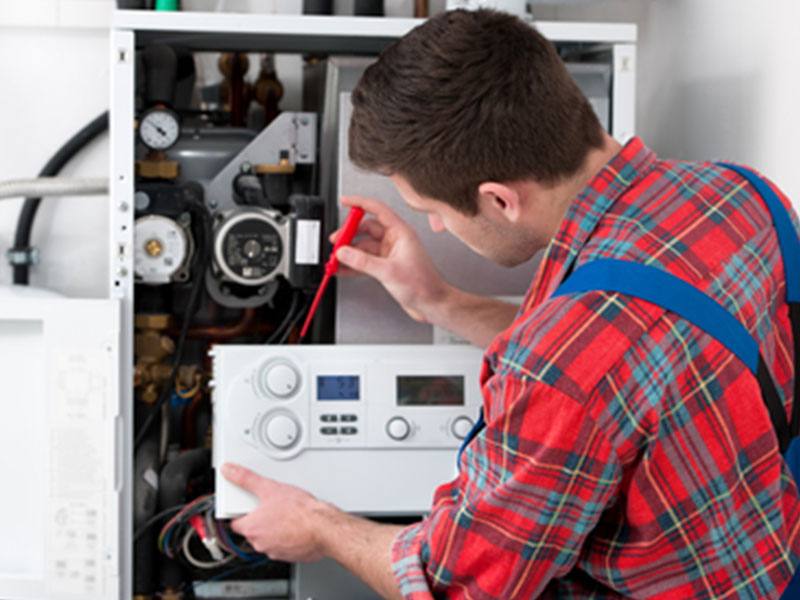
AC Repair in Memphis, TN: Why Your AC Is Blowing Warm Air (And How to Fix It Fast!)

When the air coming from your vents feels lukewarm on a sticky Memphis afternoon, it is more than annoying. It means your cooling system is not removing heat and humidity the way it should. If you need a trusted starting point, explore ac repair in Memphis, TN with Precision Air Conditioning & Heating for clear answers and fast help.
Warm air at the register can point to airflow problems, refrigerant performance issues, or a control setting that is not matching how your system actually runs. A licensed HVAC technician will test, not guess, so the fix lasts and your home cools down quickly. If you want immediate, professional attention, schedule local help for professional ac repair before a small hiccup turns into a no‑cool emergency.
What Warm Air Means For Your System In Memphis
Memphis summers bring long stretches of heat, high dew points, and pop‑up storms. Your AC must cool and dehumidify at the same time. When it blows warm air, the system is either not moving enough air across the coil, not transferring heat outdoors, or not running a complete cooling cycle. In Midtown bungalows, older ducts can limit airflow. In newer homes in Cordova or Collierville, oversized systems may short cycle and never dry the air well.
Either way, comfort slips and bills rise because the unit runs longer without doing the job. A proper diagnosis protects your compressor, keeps humidity in check, and restores that crisp, even feel room to room.
The Most Common Reasons Your AC Blows Warm Air
Several issues can lead to lukewarm or hot air at the vents. A professional will check the whole system to pinpoint the true cause. The most frequent culprits include:
- Restricted airflow from a dirty indoor coil, blocked returns, crushed or leaky ducts, or a blower problem
- Outdoor condenser issues such as a fouled coil, weak fan motor, or failing electrical parts
- Refrigerant performance problems that prevent proper heat removal
- Thermostat or control settings that cause rapid starts and stops instead of steady cooling
- A frozen evaporator coil that cannot absorb heat and leaves air feeling warm or clammy
- Duct leaks or disconnected runs pulling hot attic or crawlspace air into the system
- Heat pump reversing valve or defrost control faults that can put the unit in the wrong mode
Because several of these look similar from the couch, testing matters. The right measurements separate a quick fix from repeat callbacks.
How A Pro Finds The Fix Fast
Good service uses instruments, not hunches. Your technician will verify thermostat commands, check voltage and low‑voltage signals, measure temperature split, and evaluate static pressure to see how well air moves through your ducts. They will inspect indoor and outdoor coils, the blower assembly, contactor, and capacitors, then confirm refrigerant performance so the system can move heat out of the house as designed.
If your system has been struggling through the summer or sits near heavy landscaping, the outdoor unit may be starved for airflow. In Bartlett and East Memphis, older returns or long second‑floor runs can also raise static pressure, which starves the coil and warms the air. A pro documents those findings and explains clear next steps so you know what is urgent and what can wait for a cooler week.
Once cooling is restored, staying ahead of problems is smart. A seasonal check helps keep airflow, controls, and moisture removal on track. If you are due for a tune‑up, consider scheduling ac maintenance before the next heat wave lands.
Memphis Weather And Home Design Make Cooling Tougher
Local climate and house style change the conversation. Germantown and Collierville homes often have larger footprints and second floors that trap heat without proper balancing. Midtown and Cooper‑Young homes may have older duct designs that were never sized for today’s high‑efficiency equipment. Add our river humidity after a storm line and your AC has to pull water from the air and drop the temperature at the same time.
That is why a unit can run and still blow warm or slightly cool air. It may not be finishing a full cycle, or it may be moving too little air across the coil. If your system starts and stops every few minutes, learn what that means in our local guide on why your ac keeps turning on and off so you know what a technician will check first.
Local tip: In July and August, heat index spikes push cooling systems to their limits across Shelby County. If your vents shift from cool to warm or you notice ice at the indoor unit, avoid running the system until a licensed pro checks it. That simple choice can prevent bigger damage and get you back to steady comfort faster.
Warm Air With These Warning Signs? Call Right Away
Some symptoms tell you to stop waiting and get a professional on the schedule. If you notice any of the following along with warm air, protect your equipment and comfort by calling a pro:
- Burning or smoky odors from the air handler or outdoor unit
- Ice on the refrigerant lines or the indoor coil housing
- Repeated breaker trips when the AC tries to start
- Water around the air handler or staining below the attic unit
These signs can point to electrical stress, a frozen coil, or drainage problems. Fast, correct service keeps a small issue from turning into an after‑hours emergency.
Why Fast Diagnosis Beats Trial And Error
Guessing wastes time and can miss the real problem. A data‑driven visit checks the full heat‑transfer chain: the air your system pulls in, the coil that absorbs heat, the refrigerant circuit that carries it outside, and the condenser that dumps it to the Memphis air. When each step is confirmed, the fix is clear and your home cools down for good.
That approach also prevents repeat failures. For example, swapping a part on an outdoor unit with a clogged indoor coil may get you a brief blast of cool air, but the warm‑air complaint will return once humidity and pollen load the system again. Precision testing avoids that loop.
How Long Should It Take To Feel Cold Air Again?
After a correct repair, most homes feel clear improvement within a single cooling cycle. In our climate, that often means your system will need a full, steady run to remove heat and extra moisture from the air. Upstairs rooms in Cordova or long runs in Arlington may take a little longer to stabilize, but the trend should be obvious: cooler rooms, drier air, and quieter operation.
If comfort does not improve, tell your technician. They can verify airflow, recheck control settings, and confirm the system is finishing full cycles instead of short bursts.
Pro Tips To Keep Cooled Air On Track
Without getting into do‑it‑yourself work, here are simple principles that keep cooling reliable in Memphis homes:
- Healthy airflow supports both temperature and humidity control throughout the house
- Clean, matched components let your system move heat outside quickly and safely
- Balanced ducts and returns help upstairs and far rooms cool at the same rate
- Smart scheduling of service before peak heat prevents surprise breakdowns
If your system is older or has a history of warm‑air complaints, your technician can also discuss options that improve comfort without replacing the whole system, such as airflow adjustments or zoning upgrades.
Ready For Cold Air Again? Your Next Step
When warm air shows up, you do not have to wait and hope. Start with a targeted visit that checks airflow, refrigerant performance, and controls the right way. If you want same‑week help from a local team that knows Memphis neighborhoods and weather, schedule book ac repair with Precision Air Conditioning & Heating. You will get clear findings, practical options, and work that brings back steady, even cooling.
Prefer to talk it through first? Call us at 901-372-0036. We will listen, ask a few quick questions about what you are noticing, and line up a visit that fits your schedule. Our goal is simple: restore crisp, cool air to your home and keep it that way.